How private label factories can launch an enzyme mask line without overcomplicating SKUs
Private label enzyme masks sell on a refined promise: smoothness, luminosity, and a more polished skin surface without the harshness often associated with physical scrub systems. For the factory, however, the challenge is less poetic. The question is how to create a marketable mask family while keeping formulation control, production flow, purchasing, documentation, and stability work manageable.
The strongest launch plan is usually not a wide matrix of unrelated formulas. It is a disciplined platform: one well-engineered enzyme mask base, with controlled variation around texture, positioning, sensorial cues, and companion ingredients.
For a cosmetics manufacturer, the right enzyme strategy can reduce SKU complexity while giving brand owners a credible exfoliation story. This is where Corneora works as an enzyme supplier for cosmetic exfoliant manufacturing: helping factory teams select enzyme ingredients that fit the pH window, process behavior, finished-product feel, and documentation expectations of a scalable mask line.
Start with the base, not the menu
A private label customer may ask for a brightening mask, a refining mask, a glow mask, a pore-polish mask, and a sensitive-skin radiance mask. If each request becomes a separate formulation architecture, the factory inherits unnecessary complexity.
A smarter approach is to build a core enzyme-compatible base first.
That base should define:
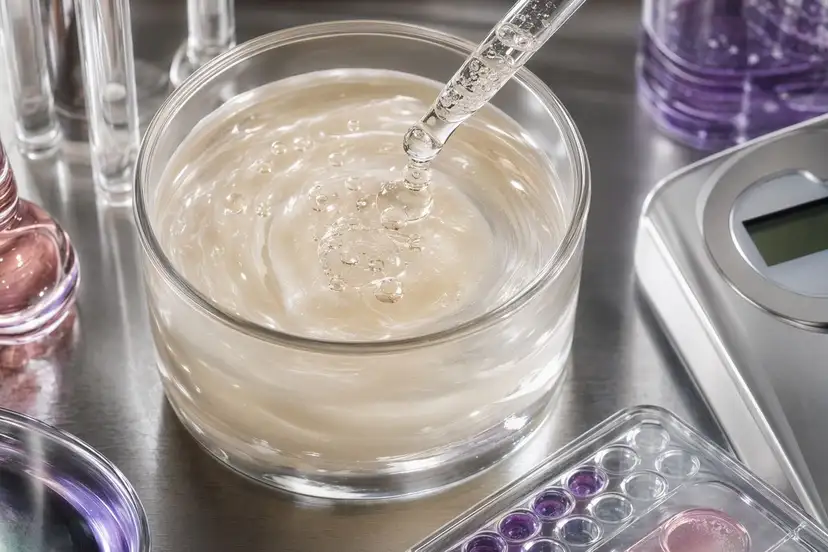
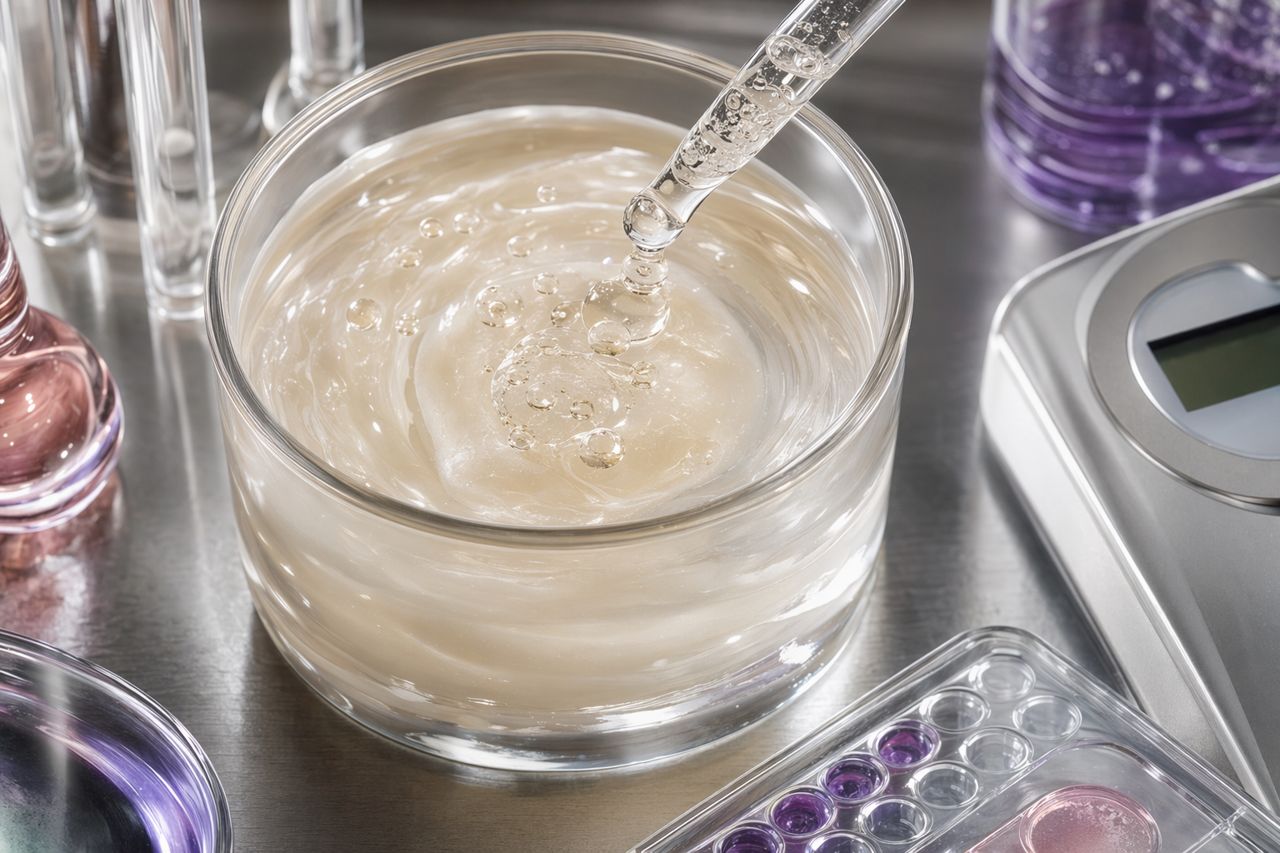
- The target skin-feel: cushiony gel, creamy rinse-off mask, translucent jelly, or pearlescent cream
- The intended exfoliation character: gentle polish, visible radiance, or stronger resurfacing perception
- The pH window required for enzyme performance and formula comfort
- The rheology profile needed for filling, spreading, and rinse behavior
- The preservation and water-phase design required for stability
- The manufacturing sequence that protects enzyme integrity
- The documentation package needed for brand onboarding and regulatory review
Once the base is correct, a factory can build a mask range without rebuilding the technical foundation for every SKU.
Keep the enzyme system consistent across the line
The enzyme system is the functional center of the product. Changing it from SKU to SKU can multiply risk quickly: different pH needs, different heat sensitivity, different storage behavior, different interaction with thickeners, surfactants, chelators, fragrance components, and botanical extracts.
For a private label launch, consistency is often more valuable than novelty. A stable enzyme platform allows the factory to standardize purchasing, handling, batch records, and quality review.
What should stay consistent
Consider standardizing:
- The primary enzyme type or enzyme blend
- The pH target range
- The order of addition
- The maximum process exposure conditions defined by the formulation team
- The base thickening system
- The preservation approach
- The core claims language
- The stability protocol and comparison standards
This does not make the final line feel generic. It simply means the technical engine remains controlled while the brand-facing experience can be varied more safely.
Create SKU variation where it does not destabilize the system
A mask line can feel broad without becoming operationally heavy. The key is to place variation in areas that change consumer perception but do not undermine enzyme compatibility.
Lower-risk variation zones
A factory can often create differentiation through:
- Color tone or pearlescent visual finish
- Fragrance direction, if compatible and carefully screened
- Texture expression, such as jelly, cream-gel, or soft balm-like perception
- Supporting botanical extracts selected for stability and marketing relevance
- Packaging format, such as tube, jar, sachet, or airless presentation
- Positioning language: glow, refining, smoothing, pre-event radiance, or weekly polish
Higher-risk variation zones
Use more caution when changing:
- Acid systems and pH adjusters
- Strong electrolyte contributors
- High-load botanical complexes
- Surfactant systems
- Solvent levels
- Thickener families
- Heat-processing requirements
- Preservative architecture
These choices can affect enzyme activity profile, viscosity, skin-feel, clarity, fragrance lift, and long-term appearance. They may still be workable, but they should be treated as formulation changes, not simple marketing adjustments.
Design for the filling line early
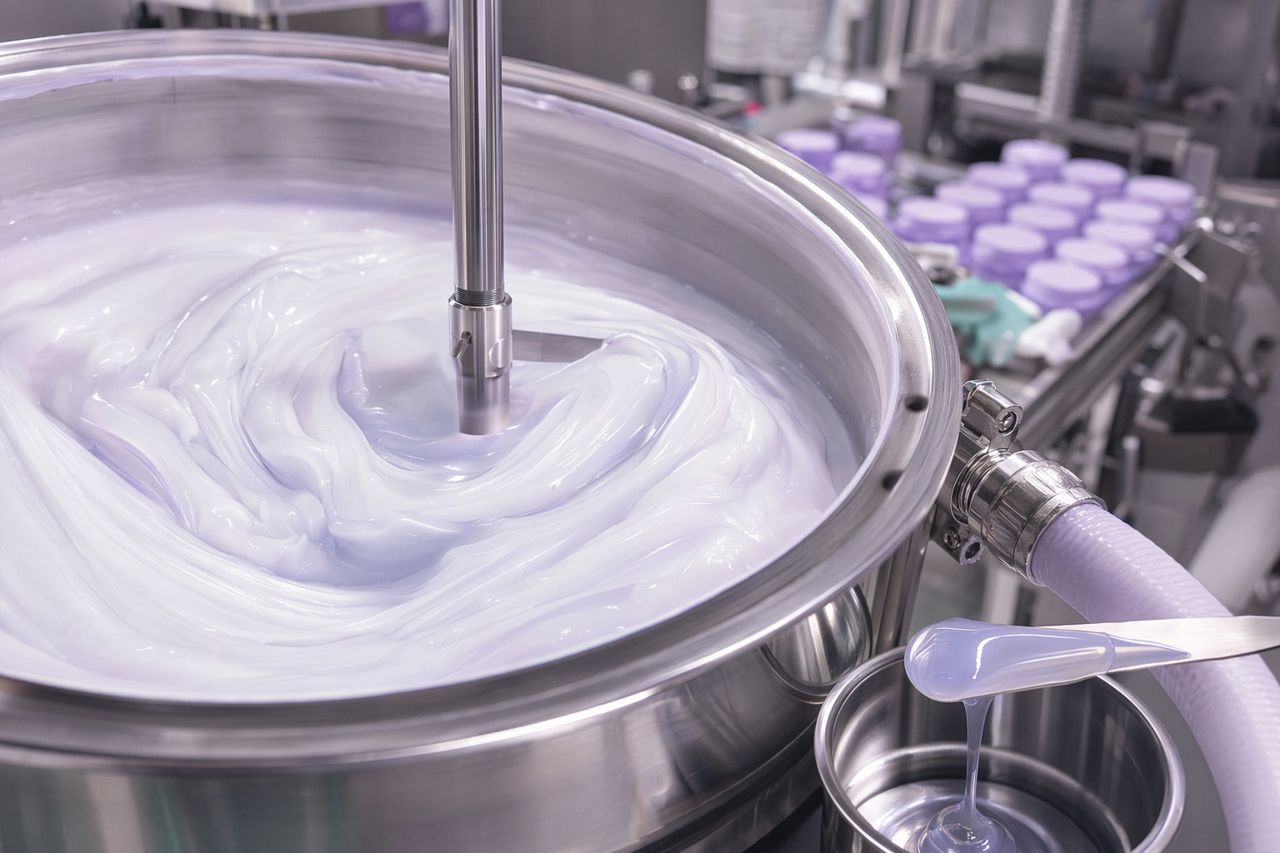
A beautiful lab sample can fail as a factory product if it does not behave through mixing, holding, transfer, filling, and storage. Enzyme masks are especially sensitive to assumptions made at bench scale.
During scale-up planning, factory chemists should evaluate:
- Whether enzyme addition can happen late in the process
- How the base handles mixing without excessive aeration
- Whether viscosity changes during hold time
- Whether the formula fills cleanly into the selected pack
- Whether the mask separates, weeps, darkens, or loses sensorial elegance during storage
- Whether the finished product maintains a consistent exfoliation perception across batches
The goal is not only to preserve enzyme function. The goal is to preserve the complete product experience: smooth application, controlled slip, elegant rinse-off, and consistent skin-forward results.
Build the claims platform before multiplying SKUs
Private label factories often receive ambitious claims requests late in the project. This can lead to rushed reformulation, unclear substantiation planning, or unnecessary ingredient additions.
A tighter approach is to define the claims platform at the start.
For enzyme mask lines, disciplined claim territories may include:
- Helps refine the look of skin texture
- Supports a smoother skin feel after rinsing
- Provides gentle enzymatic exfoliation
- Promotes a more luminous-looking complexion
- Helps lift dull surface buildup
- Designed for weekly or occasional radiance routines
Claims should match the formula architecture, use conditions, and brand market. A controlled enzyme platform makes this easier because performance language can remain consistent across the line, with each SKU adding a distinct sensorial or positioning layer.
Documentation matters to brand owners
Private label buyers may focus on texture, fragrance, and concept boards at first. But once a launch becomes real, documentation becomes part of the product value.
A cosmetic factory should be ready to provide organized technical support around:
- Ingredient identity and composition information
- Allergen, origin, and regulatory-relevant statements where applicable
- Handling and storage guidance
- Formulation compatibility notes
- Safety and quality documentation
- Finished-product stability observations
- Recommended positioning and use-language boundaries
Corneora supports cosmetics manufacturers with enzyme ingredient selection and documentation appropriate for development and purchasing review. That helps the factory move faster from concept approval to pilot batching and commercial planning.
A practical three-SKU enzyme mask architecture
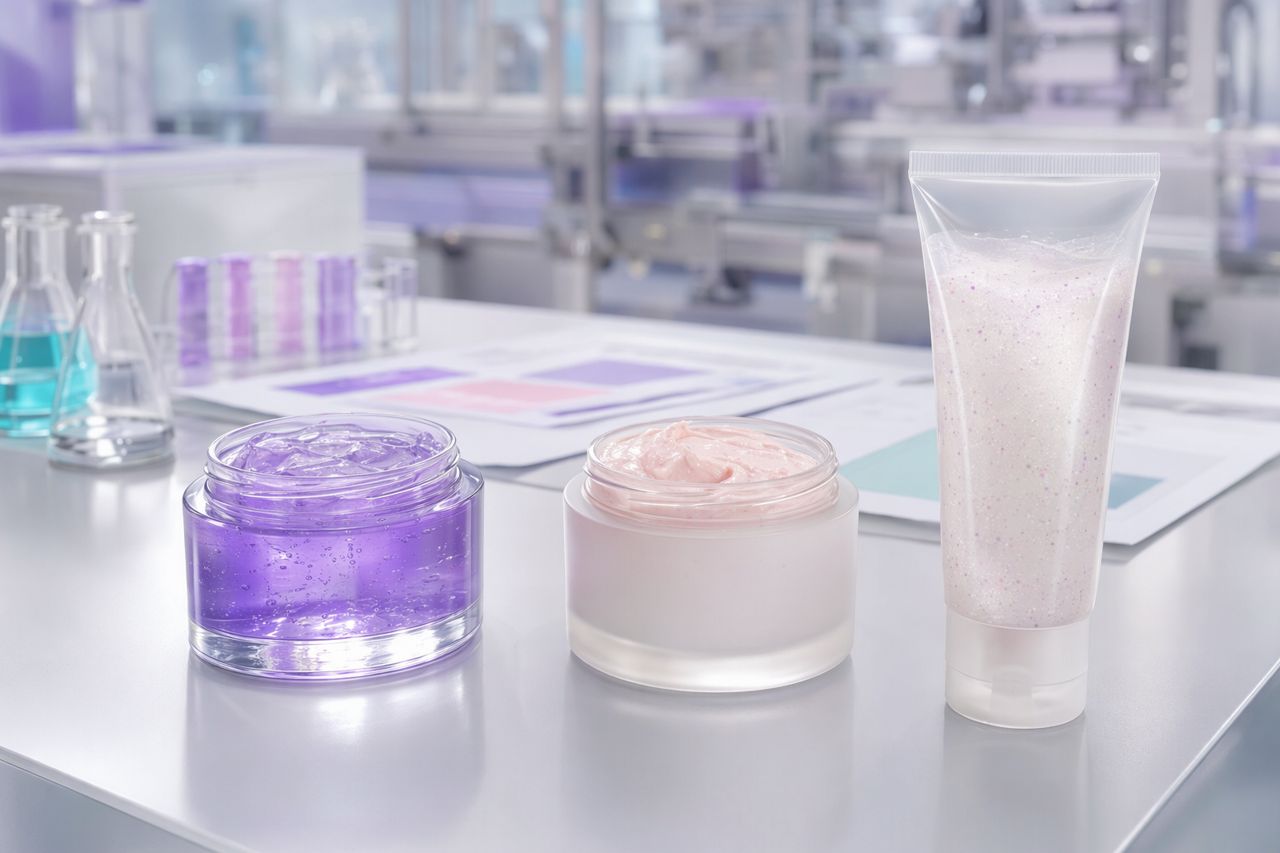
A private label factory does not need six unrelated formulas to offer choice. A focused three-SKU architecture can cover a premium range while staying manageable.
1. Glow enzyme gel mask
A translucent or softly opalescent gel-cream designed for radiance positioning. This SKU can emphasize a fresh, cushiony application and clean rinse.
Best for:
- Mass-premium glow concepts
- Weekly radiance routines
- Lightweight skin-feel briefs
- Sachet, tube, or jar formats
2. Refining cream enzyme mask
A creamier format with more cushion and a softer sensorial finish. This can feel more treatment-like and suitable for brands wanting a refined spa language.
Best for:
- Premium private label collections
- Skin texture positioning
- Soft, controlled exfoliation stories
- Jar, tube, or airless formats
3. Botanical polish enzyme mask
The same enzyme platform with carefully selected botanical companions for visual and marketing differentiation. The formula should avoid overloading extracts that complicate color, odor, preservation, or stability.
Best for:
- Natural-inspired brands
- Seasonal launches
- Retail storytelling
- Brand owners seeking ingredient-led narratives
The SKU rule: change the story, not the whole system
A private label mask line works best when the consumer sees choice, but the factory sees control. The visible story can shift from luminous to refining to botanical. The technical system should remain recognizable and manageable.
That discipline protects:
- Batch-to-batch consistency
- Purchasing efficiency
- Stability workload
- Quality review speed
- Filling-line behavior
- Finished-product elegance
- Brand owner confidence
Where Corneora fits
Corneora supplies enzyme solutions for cosmetic exfoliant manufacturing with attention to formulation behavior, pH compatibility, stability expectations, and factory-scale practicality.
For private label enzyme mask projects, we can help teams evaluate:
- Enzyme selection for rinse-off mask systems
- Compatibility with gel, cream-gel, and emulsion textures
- pH window alignment
- Process and addition-stage considerations
- Finished-product sensorial goals
- Documentation needs for brand and purchasing review
- Practical launch architecture that avoids unnecessary SKU sprawl
Request a quote for your enzyme mask line
If your factory is developing a private label enzyme mask platform, Corneora can help you choose an enzyme system that supports controlled exfoliation, refined skin-feel, and scalable production.
Use the on-site request a quote form to share your target format, pH range, texture direction, launch timeline, and estimated production needs. We will respond with practical enzyme recommendations for your formulation team.