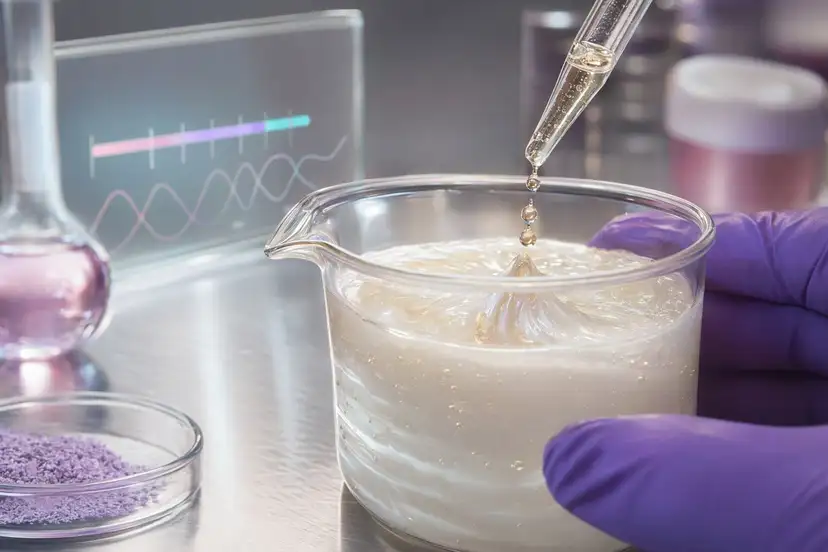
Professional Spa Enzyme Treatments: Scale-Up Guide
A manufacturing-focused guide to enzyme selection, stability, sensory control, and documentation for professional spa exfoliant treatments.
Request pricing A manufacturing-focused guide to enzyme selection, stability, sensory control, and documentation for professional spa exfoliant treatments.
Request pricingProfessional spa enzyme treatments sit in a demanding category: they must feel refined on the skin, deliver visible exfoliation cues, and remain predictable from pilot batch to production run. For a cosmetics manufacturer, the question is not simply whether an enzyme can exfoliate. The real question is whether it can be formulated, filled, stored, and used with controlled performance across the product lifecycle.
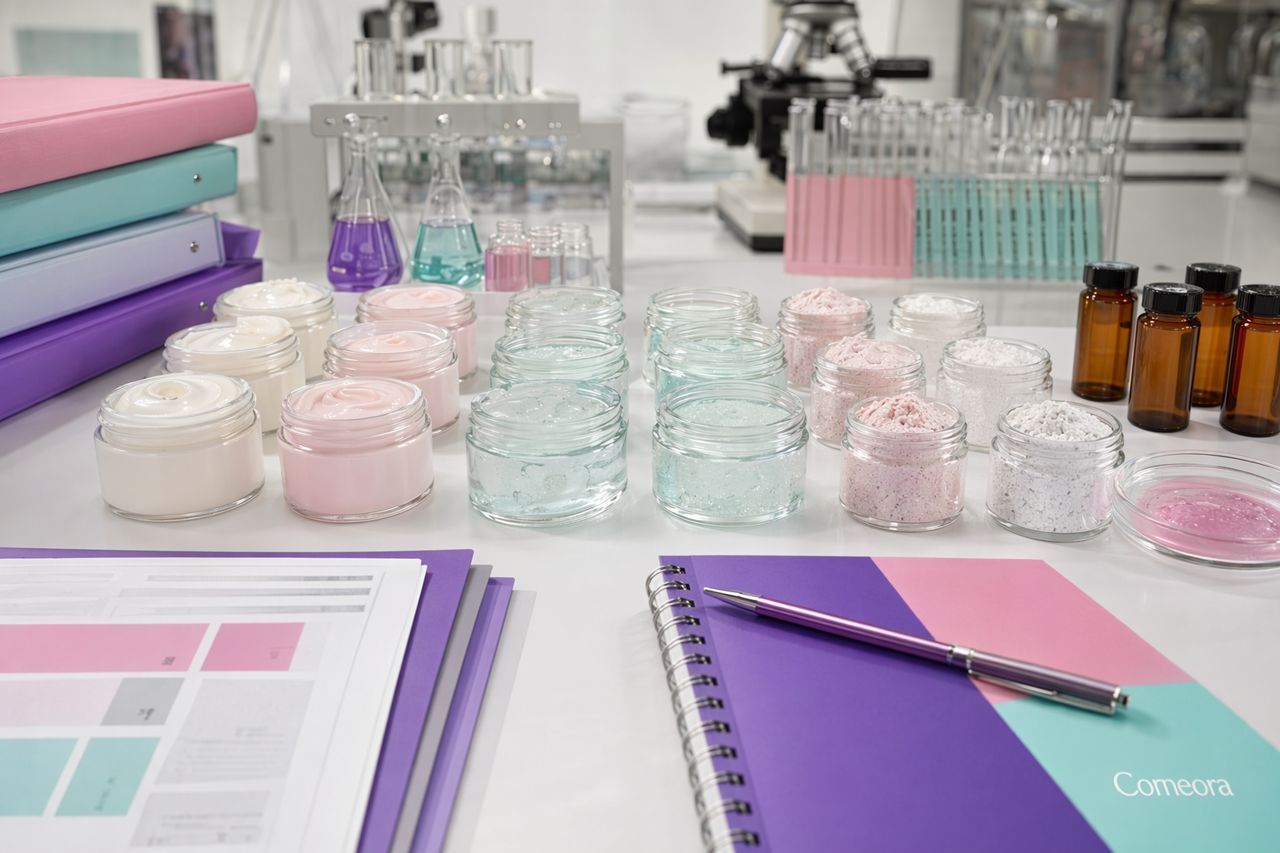
Corneora supports cosmetic manufacturers developing spa-positioned enzyme masks, resurfacing gels, cream exfoliants, powder-to-foam treatments, and professional back-bar systems. As an enzyme supplier for cosmetic exfoliant manufacturing, we focus on the practical variables that determine whether a concept survives scale-up: pH fit, activity profile, substrate selectivity, compatibility, sensory finish, and documentation readiness.
Professional spa products are often expected to perform more visibly, more quickly, and with a more elevated sensorial signature than everyday retail exfoliants. That creates tighter formulation requirements.
A spa treatment may need to:
This is where enzyme selection becomes a manufacturing decision, not just an ingredient claim.
Protease enzymes are widely used in exfoliant concepts because they help target proteinaceous material associated with the outer skin surface. In spa treatments, the goal is controlled smoothing: enough perceived action to support the treatment promise, without a formulation that feels aggressive, unstable, or difficult to reproduce.
For manufacturers, the main considerations are:
Papain- and bromelain-positioned formulas remain familiar to consumers and spa professionals. They carry a natural, treatment-oriented narrative, but they also require disciplined formulation work. Botanically positioned enzymes may be sensitive to processing conditions, water activity, pH drift, and interactions with fragrance or extracts.
Manufacturers should evaluate these systems not only for label appeal, but for how they behave in the actual product chassis.
Some professional exfoliant concepts benefit from enzyme blends designed for broader substrate interaction or more rounded sensorial performance. A blended approach may help manufacturers fine-tune perceived efficacy, rinse feel, and post-treatment softness. The supplier should provide practical guidance on formulation fit, not just an ingredient name.
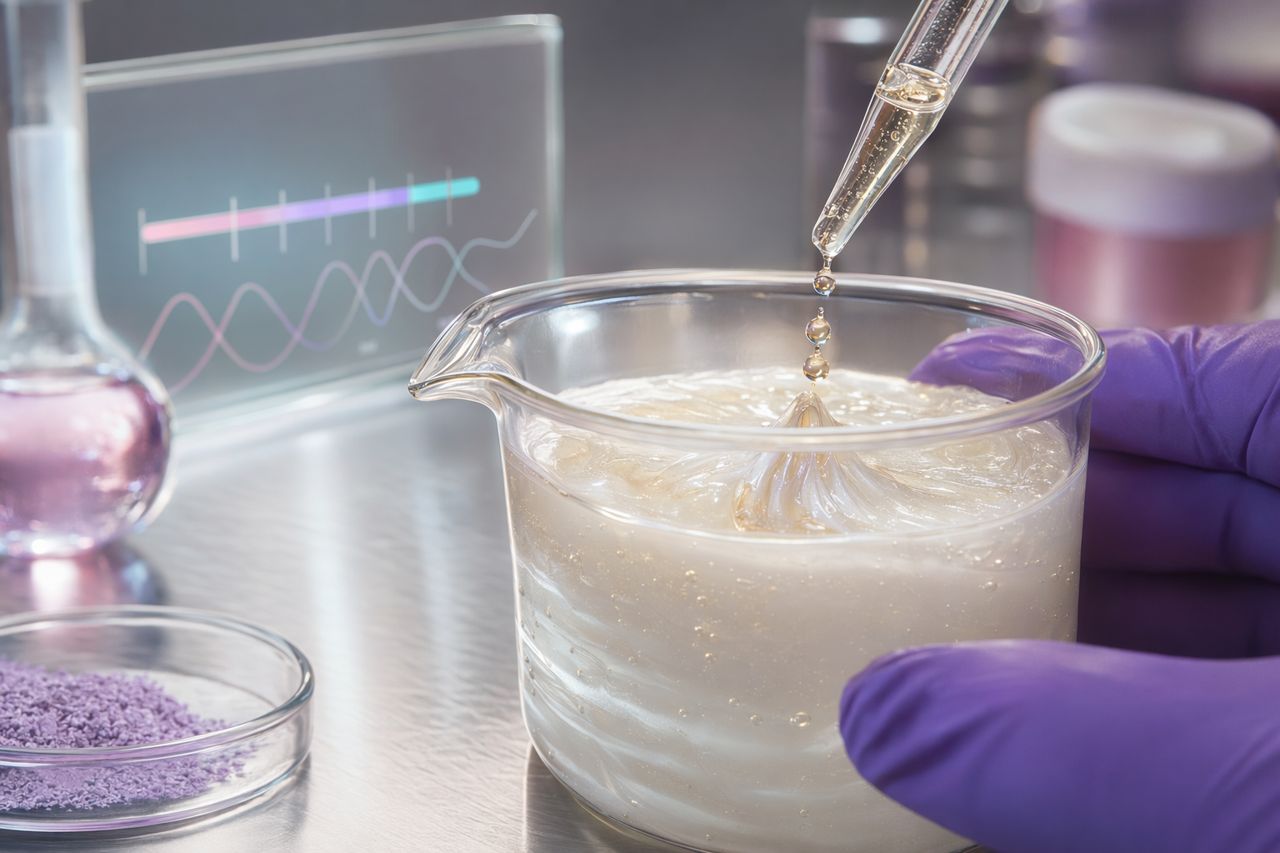
Enzymes are highly dependent on their formulation environment. If the product pH is outside the enzyme’s preferred performance window, the formula may underdeliver or become inconsistent over time. Spa products often sit in formats where pH can shift during processing or aging, especially in botanically rich systems.
Before scale-up, confirm:
The same enzyme may behave differently in a water-rich gel, an emulsion, an anhydrous balm, or a dry powder blend. Professional spa treatments often use high-sensory bases, which can include clays, polysaccharides, esters, oils, and humectants. Each can influence hydration, dispersion, and enzyme availability.
Dry formats may improve stability, while ready-to-use aqueous systems can provide a more premium spa experience. The right answer depends on your manufacturing line, packaging, treatment protocol, and shelf-life expectations.
Enzymes should be handled as performance ingredients. Adding them too early, exposing them to unnecessary heat, or blending them under incompatible conditions can reduce finished-product consistency.
For production planning, define:
The objective is not to make production fragile. The objective is to design a robust process around the enzyme’s behavior.
Spa enzyme treatments must feel clinical and luxurious at the same time. A formula can be technically active yet fail commercially if the sensorial experience is sticky, sulfurous, grainy, uneven, or difficult to remove.
Manufacturers should assess:
Corneora’s approach is to help manufacturers align enzyme performance with the tactile architecture of the product. The enzyme should support the treatment experience, not interrupt it.
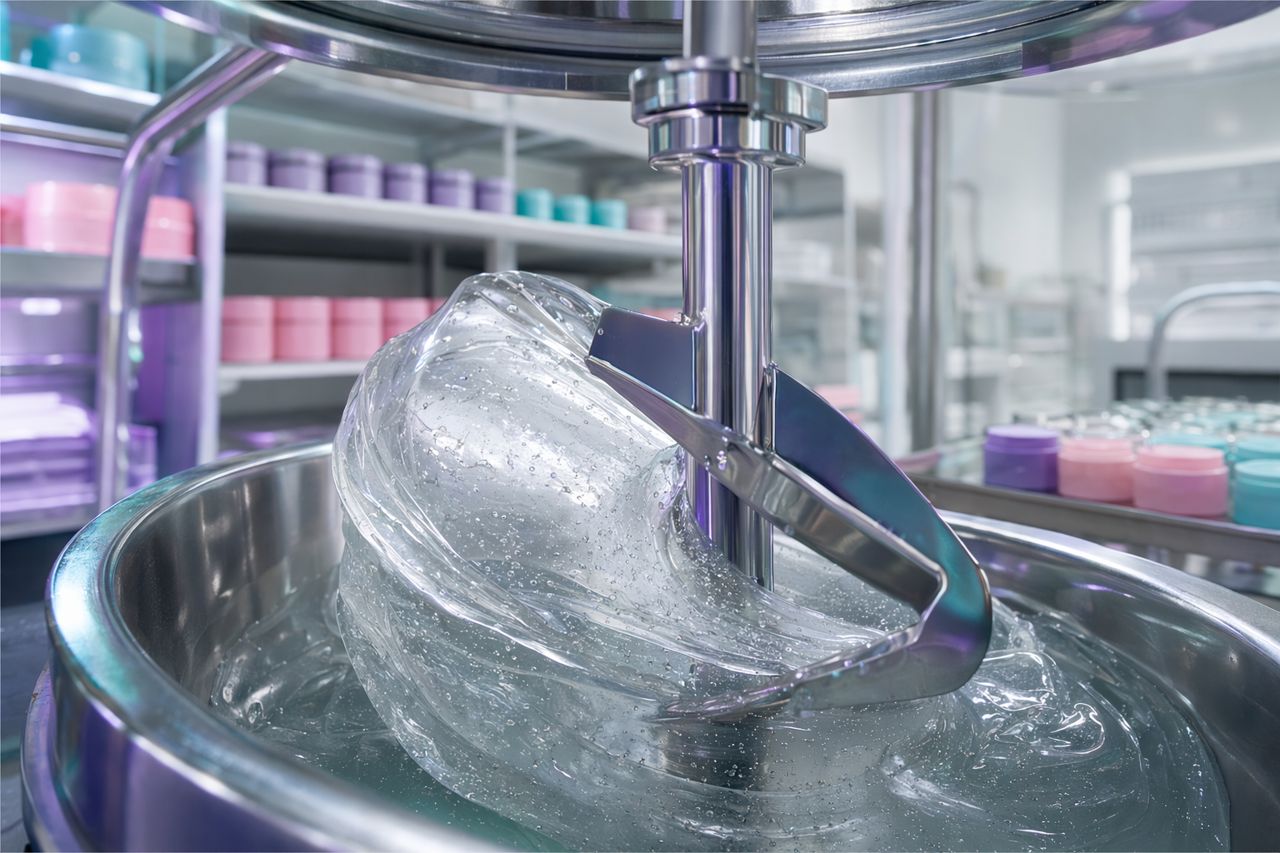
Gel systems are attractive for professional use because they apply evenly, look clean in treatment rooms, and can communicate freshness. Enzyme selection should account for thickener compatibility, pH control, preservative system fit, and long-term clarity or haze behavior.
Creams can deliver a more cocooning, refined skin-feel. However, emulsions introduce oil-phase and interface considerations. Enzyme dispersion and stability should be validated in the final emulsion, not only in a simplified lab solution.
Powder-to-paste or powder-to-foam formats can offer strong stability advantages and a professional ritual. They require attention to dusting, flow, hydration speed, packaging moisture control, and treatment-room preparation consistency.
Some spa concepts combine enzymes with gentle acidic systems. This can be effective from a positioning standpoint, but compatibility must be carefully designed. The pH environment, buffer system, exposure time, and sensory tolerance all need to be evaluated as one complete treatment experience.
A credible enzyme supplier should support your technical, quality, and regulatory teams with documentation that helps move from concept to purchasing approval.
For professional spa enzyme treatments, request:
Documentation does not replace internal validation, but it reduces friction between R&D, quality, procurement, and production.
Before committing to commercial production, manufacturers should confirm:
This checklist helps prevent late-stage reformulation, rejected pilot batches, and inconsistent spa-user feedback.
Corneora supplies enzymes for cosmetic exfoliant manufacturing with a formulation-first mindset. We help technical teams choose enzyme systems that fit real product bases, not abstract ingredient wish lists. Our support is practical: pH alignment, stability expectations, handling guidance, documentation, and scale-up conversation before problems appear on the production floor.
If you are developing a professional spa enzyme treatment, we can help you evaluate enzyme options for your format, process, and sensory goals.
Planning a spa enzyme mask, resurfacing gel, cream exfoliant, or powder treatment? Share your target format, pH range, processing conditions, and documentation needs through our on-site form.
Tell us your application and volume — we reply with pricing and lead time.